Home Blog Page 18

Dar discusses Middle East crisis and economic fallout with Kuwaiti FM: FO

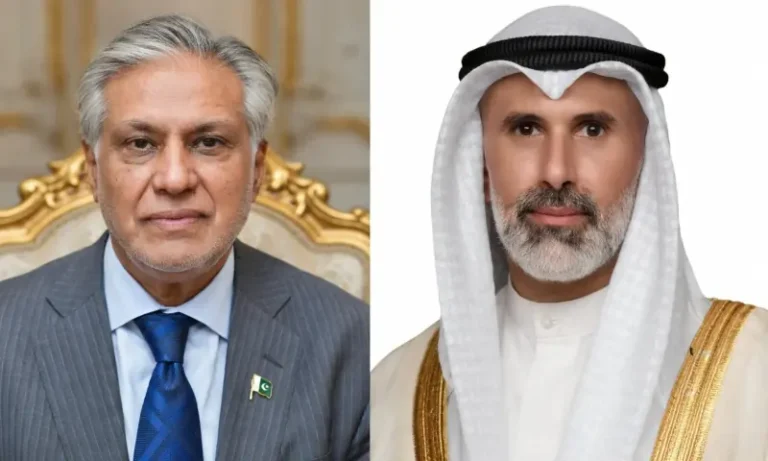
ISLAMABAD: Deputy Prime Minister and Foreign Minister Ishaq Dar on Saturday discussed the regional situation in the Middle East with Kuwait’s Foreign Minister Sheikh Jarrah Jaber Al-Ahmad Al-Sabah, the Foreign Office (FO) said.

In a statement, the FO said that the two leaders “discussed the evolving regional situation and exchanged views on its wider economic implications”.

Dar underscored Pakistan’s “continued efforts to promote constructive engagement and diplomacy in support of peace and stability in the region and beyond”.

“Foreign Minister Sheikh Jarrah commended Pakistan’s sincere efforts aimed at fostering lasting peace and security for the Ummah as well as the wider international community,” the FO statement noted.

Both sides reaffirmed the strong fraternal ties between Pakistan and Kuwait and agreed to remain in close contact, it said.

Dar’s call with his Kuwaiti counterpart comes amid the crisis in the Strait of Hormuz — a key shipping route in paralysis since the US-Israel war on Iran began on February 28. The US Navy has claimed a complete blockade of the strait in response to Iran re-imposing its control over the key waterway.

United Nations Secretary General Antonio Guterres warned on Thursday that the escalating crisis in Strait of Hormuz could push tens of millions into poverty, trigger a surge in global hunger and even tip the world toward recession.

Negotiations between Washington and Tehran remain stalled, with both holding firm positions even as a fragile ceasefire continues. The truce, initially brokered by Pakistan in April, has been extended to allow space for diplomacy, but officials acknowledge that the process faces serious sticking points.

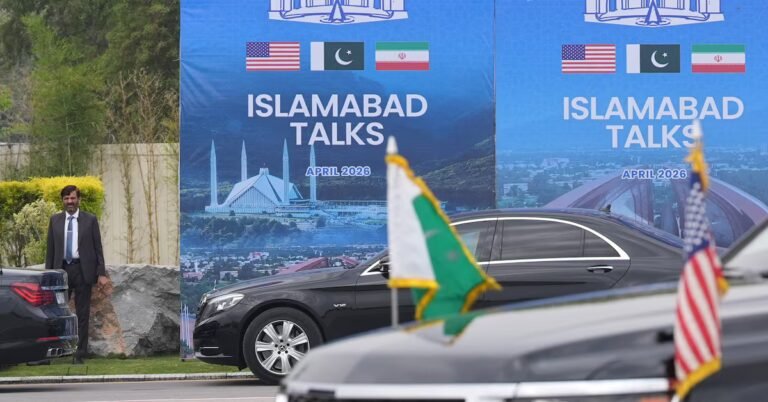
On April 11-12, Pakistan hosted the first high-level contact between Iran and the US in decades and mediated the meetings, known as the “Islamabad Talks”. However, with challenges in convening a second round, Islamabad has shifted back to its role as a facilitator and go-between.

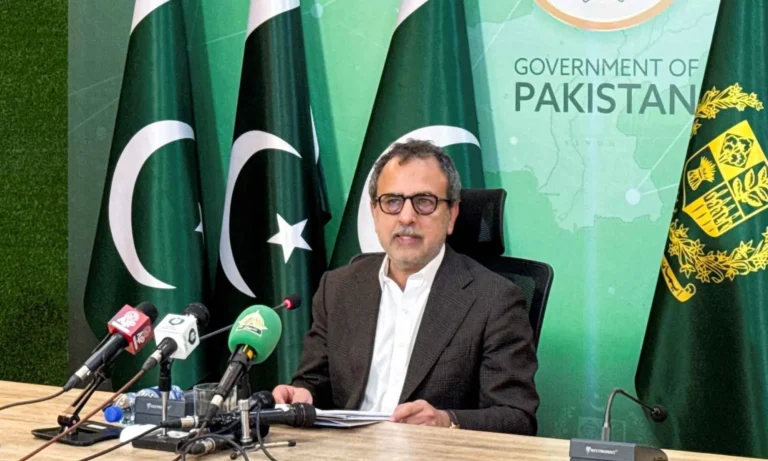
On Thursday, FO spokesperson Tahir Andrabi said diplomacy to end the US-Iran conflict was continuing, with Islamabad maintaining its role as a facilitator between the two sides.

In a previous phone call with Dar in April, the Kuwaiti FM appreciated Pakistan’s role in facilitating the Islamabad Talks, according to the FO.

It added that Dar “reaffirmed Pakistan’s resolve to continue sustained efforts, emphasising dialogue and diplomacy as the only viable path to resolving issues”.

Earlier this year, Prime Minister Shehbaz Sharif said brotherly relations between Pakistan and Kuwait were set to further strengthen through bilateral economic, investment and trade cooperation.
PM Shehbaz orders plan to stabilise electricity tariffs

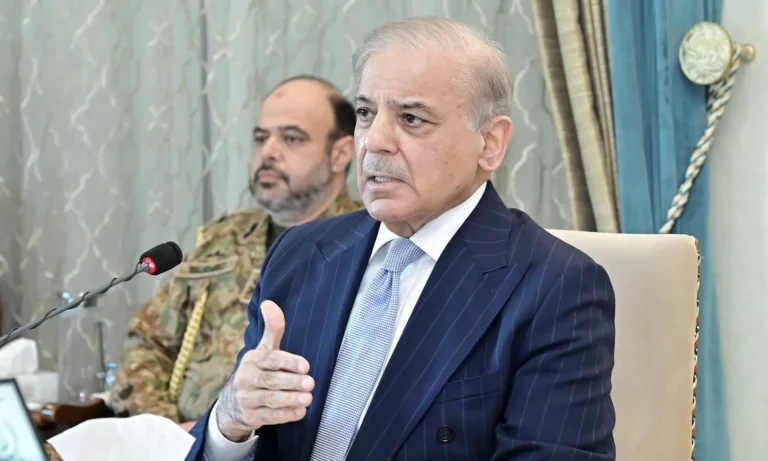
ISLAMABAD: Prime Minister Shehbaz Sharif, while chairing a meeting on energy sector reforms on Saturday, directed the authorities concerned to formulate a comprehensive strategy to stabilise electricity tariffs.

During the meeting, the prime minister stressed the need to provide relief to both industrial and domestic electricity consumers and instructed officials concerned to take concrete measures in this regard. He also called for significant improvements in the power transmission system to reduce line losses.

Highlighting the importance of modernisation, the premier stressed the use of advanced technology in the energy sector and ordered the promotion of renewable energy projects to address the country’s energy shortfall.

He further underscored the need to enhance digital facilities to make electricity bill payments more convenient for consumers.

PM Shehbaz also directed to continue strict measures against electricity theft and reiterated that an uninterrupted energy supply was essential for promoting industrial growth.

He stated that providing relief to domestic consumers remained one of the government’s top priorities.

He added that reforms in the energy sector would be implemented keeping in view the broader interests of the public and industry.

Meanwhile, during the meeting, officials presented recommendations regarding electricity consumption for both domestic users and the industrial sector.

The meeting was also attended by Deputy Prime Minister and Foreign Minister Muhammad Ishaq Dar, Finance Minister Muhammad Aurangzeb, Minister for Economic Affairs Ahad Khan Cheema, Minister for Information and Broadcasting Attaullah Tarar, Minister for Power Sardar Awais Ahmed Khan Leghari, Minister for Petroleum Ali Pervaiz Malik and others.

Last month, it emerged that the government is preparing a new power tariff structure to encourage industrial consumers to maximise their operations during the daytime and minimise them during peak consumption hours in the evening.

The power minister discussed the concept with World Bank Country Director Bolormaa Amgaabaza. The minister informed the World Bank official that the Power Division, after assessing concessional tariffs, was currently working on time-of-use proposals to further enhance energy competitiveness.

FCC rejects Balochistan plea for lifetime perks to retired chief secretaries, widows

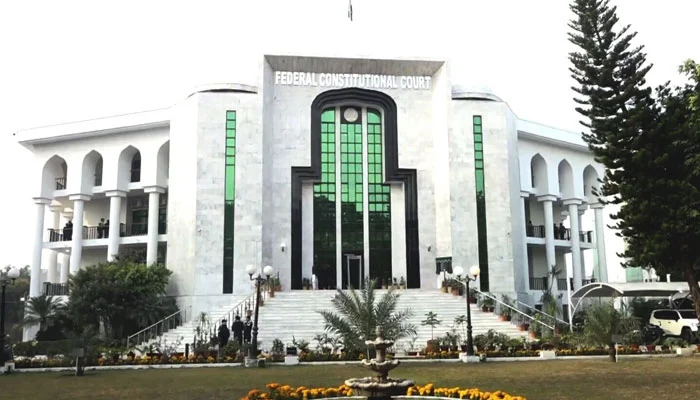
ISLAMABAD: The Federal Constitutional Court (FCC) on Saturday rejected a plea by the Balochistan government to grant lifetime facilities to retired chief secretaries and their widows.

Justice Aamer Farooq, who headed the FCC two-judge bench, observed that the Balochistan government notification was over and above the pensionary benefits granted to chief secretaries.

The judgment explained that the Rules of Business do not empower the provincial government to issue such directions by way of notification, especially when there was no legal backing.

The FCC ruling came on an appeal filed by Balochistan’s chief secretary against the May 29, 2023, Balochistan High Court (BHC) judgment, which had also struck down Notification No. 13-25(5)/2019/SO-1(S&GAD) extending lifetime facilities to retired chief secretaries and their widows.

The controversy arose from a notification challenged before the BHC by Bayazid Khan Kharooti, which the court accepted. The high court held that such benefits could not be granted without legal backing in law, rules or regulations, adding that entitlements for retired civil servants must be clearly provided in legislation or policy and cannot be created through a mere executive notification.

While deciding the case, Justice Farooq observed that the high court’s reasoning did not suffer from any legal or jurisdictional defect warranting FCC interference; consequently, leave to appeal was refused.

“Any action, of whatever nature, must be firmly rooted in law and must be traceable to a legal source from which it derives its authority,” observed Justice Farooq adding this principle constitutes the fundamental affirmation of the constitutionality of our system of governance.

Justice Farooq observed that a careful review of the Balochistan Rules of Business, 2012, does not support the extension of perks and privileges to the chief secretary. On the contrary, Rule 3(4) delineates the structure and composition of the government of Balochistan by distributing its business among various departments, as specified in Schedule-I (Section B).

“The rule makes it clear that each department is to exercise only those functions that are expressly assigned to it, the judgment said.

In this context, Schedule-I (Section B) specifically entrusts the Finance Department with the authority to frame civil service rules relating to pension, leave, pay revision, and their interpretation for all government servants.”

The justice further observed that this allocation indicates that any matters concerning pensionary benefits, including those of the chief secretary, fall within the exclusive domain of the finance department, rather than the chief secretary himself or even the chief minister.

The court also noted that the notification under challenge was issued by the Services and General Administration Department, with the approval of the chief minister as the competent authority.

“Such authority is neither contemplated nor supported by the Rules of Business, therefore the action appears to have been taken without proper legal basis,” the judgment observed.

“Consequently, the notification, having been issued without the requisite competence, was appropriately struck down by the high court,” Justice Farooq observed.

Likewise, the Balochistan Civil Servants Act, 1974, provides that “on retirement from service, a civil servant shall be entitled to receive such pension, or gratuity, as may be prescribed.”

“Thus this provision of the act makes civil servants of the Balochistan government, which includes the chief secretary as well, to be subject to such pension or gratuity as may be prescribed. So, the pension of a civil servant is structured and is not beyond the bounds of the law,” the judgment emphasised.

“One is only entitled to such a sum that is permissible by the law. Now, the pension so prescribed is also governed under Balochistan Civil Servants Pension Rules, 1989, which provides for the rules relating to Civil Servants and their pension. The perks and privileges granted to the chief secretary find no mention in the rules either and thus, has no basis in law,” the judgment said further.

Iran submits fresh deal proposal to Pakistan: state media

ISLAMABAD: Iran has submitted its latest proposal for negotiations with the United States to mediator Pakistan, Iranian state media reported on Friday.

IRNA reported that according to its foreign policy correspondent, the country “delivered the text of its latest negotiation plan to Pakistan on Thursday evening, May 10, as a mediator in negotiations with the US”.

Earlier, a senior United Arab Emirates official said that Tehran could not be trusted over any unilateral arrangements it makes for the Strait of Hormuz, in a ​sign of deep mistrust on all sides as efforts to end the US-Israeli war on Iran remained at an impasse.

Two months into the conflict, the vital sea channel is still largely ‌closed because of an Iranian blockade and the US Navy is blocking exports of Iranian crude oil. The blockade has choked off 20% of the world’s oil and gas supplies, pushing up global energy prices and increasing concerns that there will be an economic downturn.

A ceasefire has been in place since April 8 but reports that US President Donald Trump was to be briefed on plans for new military strikes to compel Iran to negotiate pushed global oil prices up to a ​four-year high at one point on Thursday.

Iran has activated air defences and plans a wide response if attacked, having assessed that there will be a short, intensive US strike, possibly ​followed by an Israeli attack, two senior Iranian sources told Reuters on condition of anonymity.

Energy minister announces end of load management nationwide

ISLAMABAD: Energy Minister Awais Leghari on Friday announced the end of load management across the country following the arrival of liquefied natural gas (LNG) cargoes.

In a video message posted on the minister’s X account, Leghari recalled that around two weeks ago, consumers had faced load shedding due to a shortage of gas supply. On April 13 and 14, up to five hours of load shedding had to be carried out. However, there was no load management from April 17 to 19, while from April 19 to 29, load shedding was reduced to two to two-and-a-half hours.

He said the recent electricity shortfall and scheduled load shedding experienced earlier this month were not due to any technical failure or inability to generate power, but because of temporary fuel supply constraints.

“After six to seven years, when Nawaz Sharif’s government ended load shedding, this is happening for the first time,” he said.

He said the gas shortage was caused by disruptions in LNG supplies amid the ongoing US-Iran conflict, noting that expensive alternative fuels such as diesel and furnace oil could have been used to eliminate load shedding, but this would have placed an additional financial burden on consumers.

He said the country had been forced to rely on expensive alternatives such as diesel and furnace oil to meet demand, warning that this would have increased electricity costs for consumers.

The minister said additional gas supplies, which were purchased on spot rates, had arrived. The minister added that hydropower generation had increased significantly, rising from around 1,000 megawatt to 6,000MW, helping improve supply levels.

The minister said that LNG cargoes had now reached Pakistan, improving fuel availability for power plants. “After this, load shedding has now ended,” he said, expressing hope that the country would no longer face scheduled outages.

He also dismissed claims about installed capacity shortages, saying Pakistan’s total generation capacity was around 32,000MW, not 46,000MW as claimed by some critics. He added that hydropower output varied seasonally, affecting overall supply.

He said that the government had to run furnace oil-based plants to overcome the shortfall, but efforts would continue to protect consumers from expensive electricity. “With timely measures, we are hopeful that the public will not face load shedding in the coming days,” he added.

The country has been facing a worsening electricity crisis, with the overall power shortfall reaching 6,500MW, leading to prolonged load-shedding in several regions and mounting public frustration.

“After April 1, the supply of LNG from abroad came to a halt, and Qatar declared force majeure. From that day onward, a significant gap emerged in meeting requirements that were previously fulfilled during peak hours through gas-based power plants,” the energy minister had said in a press conference on April 16.

On April 14, the Power Division announced that due to rising electricity demand during peak hours, electricity would be suspended for around 2.25 hours daily between 5pm and 1am countrywide under its “peak relief strategy”.

However, across both urban and rural areas, consumers reported outages far exceeding the limited “load management” described by authorities. In remote districts, electricity cuts stretching up to 12 hours, and in some cases as high as 16 hours, had effectively brought routine life to a halt.

“The purpose of this load management is to reduce the use of expensive fuel and prevent a rise in electricity prices,” the power division had said.

Since rising tensions between the United States and Iran in the Middle East led to a surge in petroleum prices, the government has increased fuel prices by more than 50%.

The US and Israel launched an attack on Iran in February, after which Tehran retaliated with strikes and closed the Strait of Hormuz, disrupting global oil supplies and triggering a sharp rise in international oil prices.

Amid the rising prices, the government, in the first week of March, increased petroleum product prices twice, noting that the hikes exceeded the increase in the international market. However, the most significant increase was witnessed in April this year.

Pakistan, China ink MoUs on machinery, vaccines, medical technology

BEIJING: Pakistan and China on Friday signed two memorandums of understanding (MoUs) and a joint venture agreement in Sanya, covering construction machinery, animal vaccines, and medical technology, thereby supporting cooperation between the two countries in key sectors, according to an official statement shared by the presidency.

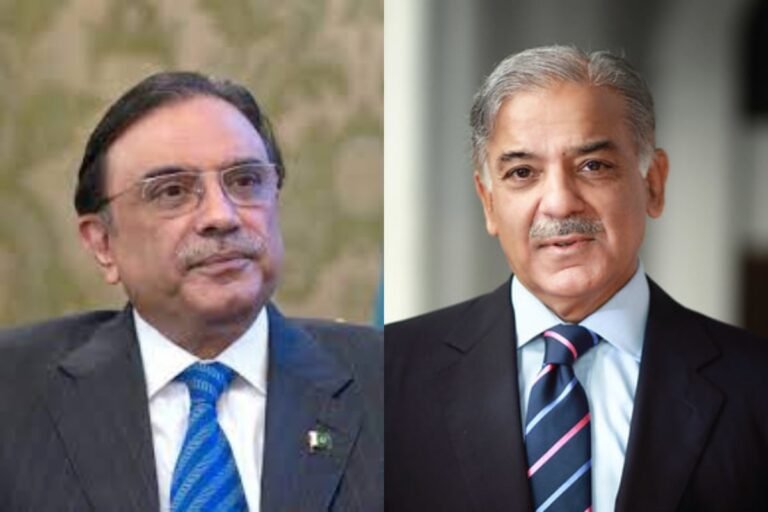
President Asif Ali Zardari attended the signing ceremony, where a documentary highlighting 75 years of Pakistan–China friendship was also screened.

The ceremony was also attended by Special Assistant to the Chief Minister Syed Qasim Naveed Qamar, Sindh Chief Secretary Ali Hassan Brohi, and Pakistan’s Ambassador to China Khalil Hashmi.

According to the Pakistan Peoples Party (PPP), an MoU was signed between Al-Hassan Trade Establishment, Sany International Development, and Henan Jialong International Technology. The agreement is expected to promote the supply of construction machinery and equipment linked to CPEC projects.

The three sides will also explore investment opportunities for establishing manufacturing facilities in Pakistan. Signatories included Senator Saleem Mandviwalla, Vice President of Sany Group Li Chen, and Chairman Hao Jiaolong.

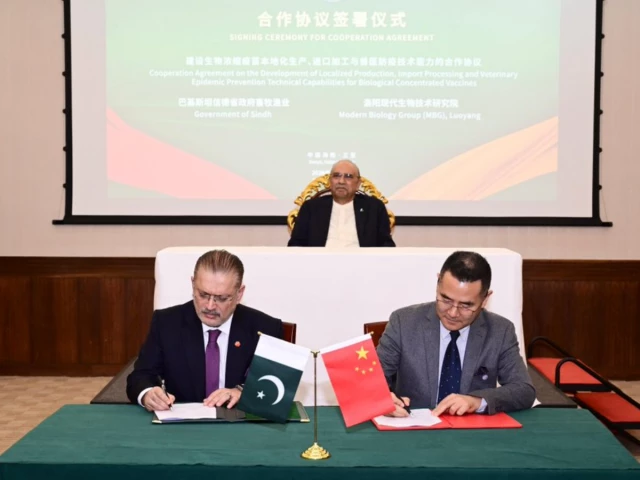
A separate agreement was signed for a joint venture agreement between the Sindh Livestock & Fisheries Department and China’s Luoyang Modern Biology Group.

Sindh Senior Minister Sharjeel Inam Memon and Chairman of Luoyang Modern Biology Group Wang Shanpu signed the agreement.

According to PPP, the collaboration aims to strengthen cooperation in the livestock and fisheries sector, with a focus on improving animal health services and modern biological solutions. The agreement also includes provisions for future cooperation on the implementation of animal traceability systems.

In the medical technology sector, an MoU was signed between Ziauddin Hospital and Shenzhen Weibang Technology. The agreement aims to promote the use of advanced artificial intelligence-based medical robots in clinical medicine.

It was signed by Dr Anoop Kumar Dawani of Ziauddin Hospital and Deputy General Manager of Shenzhen Weibang Technology, Deng Haitao.

This is the second set of MoUs Pakistan signed with China this week. The two countries on Monday signed three MoUs in Changsha, covering water desalination in Karachi, agricultural technology, and cooperation in the tea sector.

The president, who is on a week-long visit to China’s Hunan and Hainan provinces for engagements related to economic and trade cooperation, said Pakistan attached high importance to expanding collaboration with China in key industrial sectors.

Workers hailed as backbone of society on International Labour Day: President, PM

ISLAMABAD: President Asif Ali Zardari and Prime Minister Shehbaz Sharif termed the labour force of Pakistan the “backbone” of society and a “pillar of national strength” in statements commemorating International Labour Day on Friday.

As the world commemorated the international holiday observed annually on May 1, the president and the premier issued separate messages to mark the occasion.

PM Shehbaz paid tribute to Pakistan’s labour force as well as its overseas workers, appreciating their “dedicated service” and terming them a national pride.

“On this occasion, I pay tribute to workers across the world, and especially to the hardworking labour force of Pakistan, for their selfless contributions and dedicated service,” he said in a statement on X.

He termed labourers, farmers, artisans, factory workers, and professionals across all sectors the “backbone of our society”.

“Their sacrifices, hard work and perseverance keep the wheels of life moving, from fields to factories, construction sites to workshops, at local level and right to the global stage,” he said, calling these workers a source of national pride.

The premier also appreciated the remittances of millions of Pakistani workers overseas, saying, “Our labour force, both at home and abroad, reflects our national capability, industriousness, and professional excellence … Their contributions towards the country’s future remain deeply valued and etched in our collective consciousness.”

According to the prime minister, the federal government has undertaken targeted initiatives to enhance the skills and professional capacity of Pakistanis seeking employment abroad. These include the National Skills Development Policy, under which “a comprehensive strategy has been developed to align our workforce with the evolving needs of industry, trade, and modern global standards”, he said.

He added, “Special emphasis is being placed on internationally recognised training, language proficiency, and certification to ensure that our workforce secures dignified opportunities worldwide.”

Additionally, he noted that national institutions such as the Employees’ Old-Age Benefits Institution (EOBI) and the Workers Welfare Fund (WWF) continued to strive for the welfare of workers and their families by providing pensions, housing, education, and other essential services.

He expressed resolve to “renew our collective commitment at government: both federal and provincial levels” and on an individual level to safeguard the rights of workers.

The premier called upon all stakeholders, including the business community and industrialists, to uphold the “dignity and protection” of the country’s labour force.

“We pray that the hardworking people of Pakistan continue to illuminate the nation’s name through their dedication, skill, and integrity, and remain a proud symbol of resilience, determination, and national honour,” he said.

President Asif Ali Zardari also issued a statement on the occasion, posted to his official social media account on X.

“I join the nation in recognising the historic struggle of workers whose sacrifices for fair wages, reasonable working hours and dignified conditions laid the foundation of modern labour rights,” he said.

“At the very beginning of our constitution, article 3 has been titled as ‘Elimination of exploitation’ and it says: ‘The State shall ensure the elimination of all forms of exploitation and the gradual fulfilment of fundamental principles, from each according to his ability to each according to his work,’” the president noted.

He extended his deep appreciation to Pakistani labourers, saying, “Their work … is the force that drives national development. The true strength of Pakistan lies in the hands of its labourers.”

The president added that Pakistan remained committed to upholding international labour standards and promoting fundamental rights at work, “including fair wages, social protection, the elimination of forced and child labour and non-discrimination”. He reaffirmed the government’s dedication to the International Labour Organisation’s conventions and achieving Sustainable Development Goals related to work and social protection.

He joined the premier in appreciating the overseas Pakistani workforce, calling them a “pillar of national strength”.

“Ensuring safe working conditions, fair wages and equal opportunities is both a national priority and a moral responsibility,” President Zardari said, adding that “investing in human capital is the most productive investment a nation can make”.

“I salute the workers of Pakistan,” he concluded. “You are not the margin of our economy; you are its foundation.”

According to the International Labourers Organisation (ILO), Pakistan has yet to ratify 55 conventions and protocols.

Labour laws exist but enforcement is weak, and despite government promises to create millions of jobs, issues like low pay, lack of social protection, and poor representation remain unresolved.

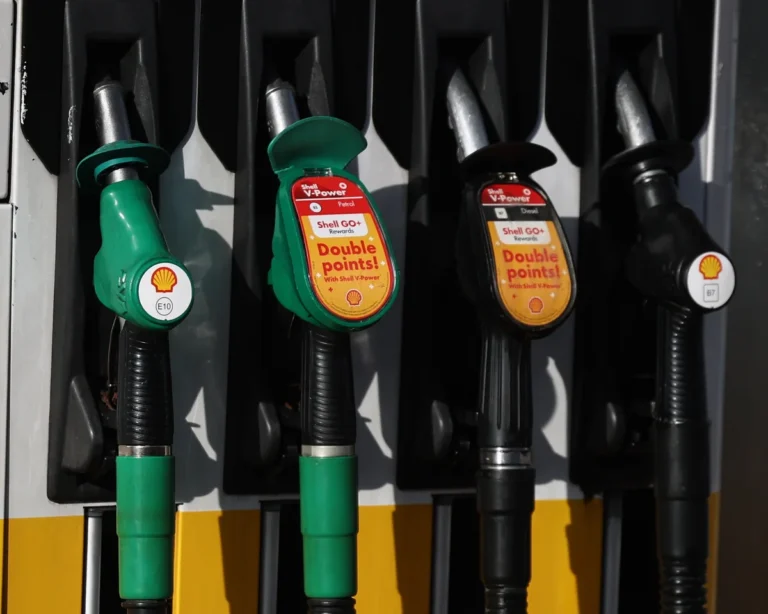
Fuel hits Rs400 per litre as govt passes on global shock

ISLAMABAD: The government on Thursday raised petrol and diesel prices while simultaneously extending fuel subsidies for motorcyclists and the transport sector, seeking to cushion the impact of rising global oil costs on vulnerable consumers.

With the concurrence of the International Monetary Fund (IMF), the Shehbaz Sharif government has increased the prices of petrol and diesel by Rs6.51 and Rs19.39 per litre, respectively, with immediate effect for the week ending May 8.

During a virtual meeting on Thursday, the IMF was informed that Pakistan was well placed to achieve its petroleum levy target of Rs1.468 trillion, as collections over 10 months had already exceeded the target for 11 months.

The two sides agreed to keep the primary balance target sacrosanct and achieve it at all costs, even if further cuts in the Public Sector Development Programme (PSDP) were required, informed sources said.

Payments to independent power producers would continue in line with agreed schedules to avoid any issues ahead of the IMF executive board meeting on May 8, which is expected to approve disbursement of more than $1.2 billion under two ongoing programmes.

Unlike announcements made by the prime minister during price reductions, the latest increase was discreetly issued by the Petroleum Division at midnight.

The ex-depot price of high-speed diesel (HSD) was fixed at Rs399.58 per litre, up from Rs380.19, reflecting an increase of Rs19.39 or about five per cent.

Diesel had earlier declined from a peak of Rs520.35 on April 10 after a removal of the petroleum levy, but has since been rising again. HSD is considered highly inflationary mainly due to its use in freight transportation.

Similarly, the ex-depot price of petrol was set at Rs399.86 per litre, up from Rs393.35, showing an increase of Rs6.51 or 1.65pc. Petrol and HSD remain major revenue generators, with combined monthly sales of 700,000 to 800,000 tonnes compared to about 10,000 tonnes of kerosene demand.

Although the ex-depot prices remain marginally below Rs400 per litre, the actual retail prices at petrol pumps, after including dealer margins and other charges, have effectively crossed the Rs400 mark.

Fuel subsidy

Separately, PM Shehbaz decided to extend the fuel subsidy for motorcyclists as well as public and goods transporters by one month.

According to a statement issued by the Prime Minister’s Office (PMO), the decision was aimed at continuing relief for economically vulnerable segments during the ongoing crisis. The prime minister also directed transporters not to increase fares and directed authorities to ensure effective monitoring of the relief measures.

“The people will not be left alone under any circumstances,” the premier said, expressing hope that the regional situation would improve soon, allowing fuel prices to stabilise.

The subsidies were part of targeted relief measures announced earlier this month for bikers, farmers and transporters to offset the impact of rising global oil prices amid the US-Israel war on Iran. These included a subsidy of Rs100 per litre for two-wheeler users, capped at 20 litres per month for three months.

Additionally, trucks carrying 80-85pc of food items would receive Rs70,000 per month, large transport vehicles Rs80,000 per month, and inter-city public service vehicles Rs100,000 per month to help maintain stable fares.

The provinces have taken the lead in administering subsidised fuel quotas, pooling around Rs200bn for three months based on their National Finance Commission (NFC) shares — about Rs100bn from Punjab, Rs51-52bn from Sindh, Rs15bn from Khyber Pakhtunkhwa, and Rs8-9bn from Balochistan.

Earlier, in a meeting with a delegation from the Partnership for a Lead-Free Future and Unicef, the prime minister reiterated the government’s commitment to safeguarding children’s health, prioritising polio eradication, and addressing risks of lead exposure through coordinated efforts.

He said the government was taking priority measures to protect the future of children and remained fully committed to eliminating polio.

Housing loan scheme launched under Rs3.2tr Apna Ghar Programme: PM Shehbaz

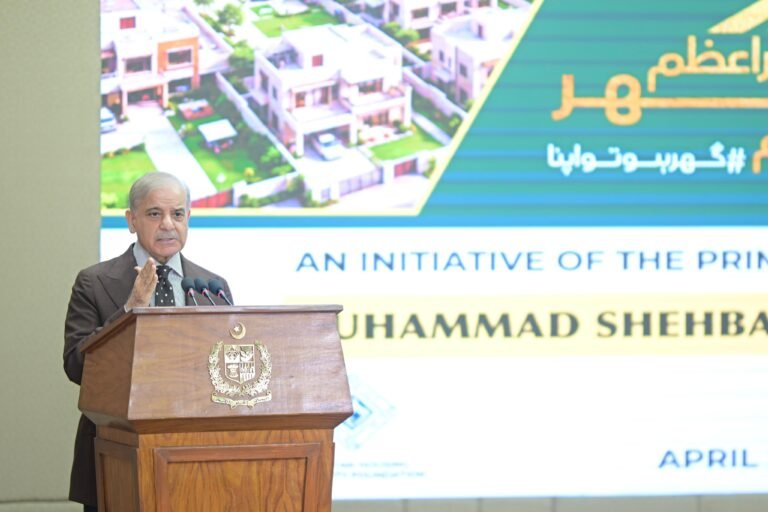
ISLAMABAD: Prime Minister Shehbaz Sharif on Thursday launched the “PM Apna Ghar Programme” under which housing loans of Rs10 million will be given on easy instalments.

The scheme will be implemented in the federal capital, all four provinces, as well as Gilgit-Baltistan and Azad Jammu and Kashmir.

Addressing the launch ceremony in Islamabad, PM Shehbaz said a total of 500,000 housing units will be constructed under the programme, supported by a total allocation of Rs3.2 trillion.

The loans are to be returned in 20 years, he said. During the first 10 years, the markup on the loan will be 5 per cent, while in the next 10 years it will be charged at the market rate at the time.

The premier said that for the first year, the government has set a target to fund 50,000 houses for which an amount of Rs321 billion had been earmarked. Under the scheme, a maximum of 10 marla housing units will be allowed to be built.

PM Shehbaz said he would personally review the programme’s progress on a monthly basis to address any shortcomings and ensure timely payments.

Besides the new housing programme, under the PM Fuel Package 2026, Rs1.2bn has been disbursed digitally to over 32,000 beneficiaries, including operators of buses, trucks, long-haul vehicles, and delivery vans. The initiative aims to provide relief amid rising fuel costs.

Meanwhile, the European Investment Bank’s international development arm, EIB Global, is committing a total of €160m to help Pakistan rebuild homes in Sindh and to improve water quality in Karachi – the country’s largest city.

PTI leaders visit Adiala jail after two-week gap

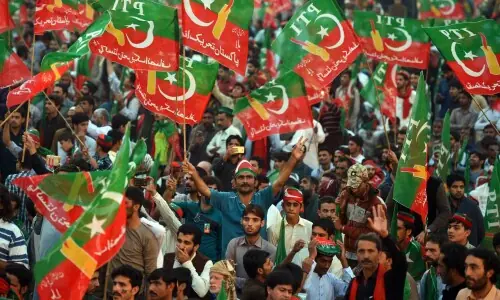
ISLAMABAD: After skipping Adiala jail visits for two consecutive weeks, PTI leaders on Thursday managed to reach the prison for a meeting with incarcerated party founder Imran Khan, which was once again denied.

The Islamabad High Court (IHC) has allowed Imran twice-a-week meetings — on Tuesdays and Thursdays — with his family, lawyers and other associates. Despite court orders, Imran’s meetings with the family and the party leaders have been largely restricted.

While Imran’s sisters continue to show up at the jail on Tuesdays, party leaders were nowhere to be seen the past two weeks, prompting criticism of the leadership.

On Wednesday, a list of PTI leaders’ names was sent to the Adiala jail superintendent for a meeting with Imran. The initial list sent to the jail administration included the names of PTI Chairman Barrister Gohar Ali Khan, Advocate Hamid Khan and Barrister Ali Zafar.

However, PTI Secretary General Salman Akram Raja — who has been authorised by the IHC to share the names of leaders who intend to meet Imran with the jail administration — withdrew the list and issued a new one. In addition to Raja, the fresh list also included Humayun Mohmand, Ali Muhammad Khan, Sahibzada Sibghatullah, Mehboob Shah and Ali Bukhari.

On Thursday, all six leaders reached Adiala jail in an effort to meet with the PTI founder. But despite their endeavours, they were yet again denied a meeting with Imran.

Raja said all six leaders included in the list arrived at Adiala jail on Thursday and “stayed there for two-and-a-half hours, with the hope that meeting with Imran would be allowed”.

“The party has decided to approach the Supreme Court again to ensure party leaders’ meetings with Imran,” he said.

“Our appeal has been pending since October 2025. We have time and again appealed to Chief Justice Yahya Afridi to ensure that our petition would be heard,” he said.