Home Blog Page 13

Naqvi, US official discuss strengthening Pakistan-US cooperation on security

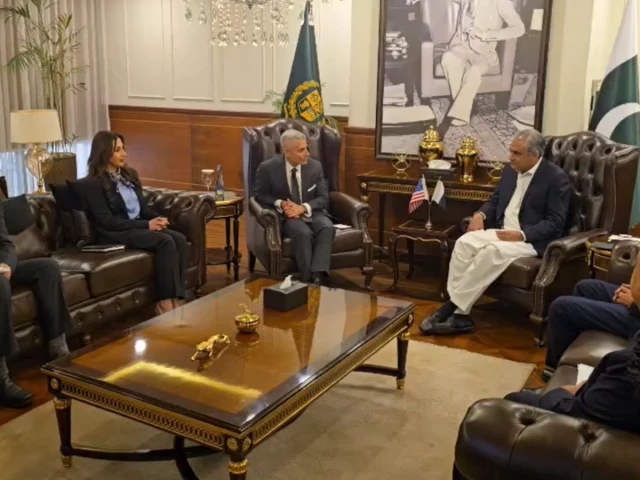
ISLAMABAD: Pakistan and the United States on Friday discussed expanding cooperation in security, counter-terrorism and anti-narcotics efforts during a meeting in Islamabad between Interior Minister Mohsin Naqvi and US Deputy Assistant Secretary of State for South and Central Asian Affairs Paul Kapur.

Acting US Ambassador Natalie Baker, Minister of State for Interior Talal Chaudhry and the federal interior secretary also attended the meeting, according to an official statement.

Both sides reviewed bilateral relations and exchanged views on the latest situation in the Middle East, the statement said.

Naqvi said Pakistan-US relations had strengthened during President Donald Trump’s tenure and described ties between the two countries as being based on mutual trust and bilateral cooperation.

The interior minister said Pakistan had ensured “foolproof security” for American companies working on the Reko Diq mining project in southwestern Balochistan province and also expressed Pakistan’s desire for the early resumption of direct flights between Pakistan and the United States.

In February, the United States earmarked $1.3 billion for the Reko Diq copper and gold mining project, aimed at supporting the extraction of mineral reserves in Balochistan. Construction work has already commenced at the mining site, and commercial production is expected to begin in 2028.

Read: Investment-to-GDP ratio hits 14.4%

Pakistan’s mineral-rich landscape covers an outcrop area of 600,000 square kilometres. With 92 known minerals, 52 of which are commercially exploited, Pakistan produces an estimated 68.52 million metric tons of minerals annually. The sector supports over 5,000 operational mines and 50,000 small and medium-scale enterprises, providing direct employment to 300,000 workers.

Discussing regional developments, Naqvi said he remained hopeful for a lasting and peaceful resolution to the Middle East conflict.

Kapur praised Pakistan’s role in promoting peace and stability in the region, according to the statement.

Pakistan had brokered a two-week ceasefire between the United States and Iran on April 8, followed by critical talks in Islamabad attended by senior delegations from both countries on April 11 and 12.

However, neither side was able to reach an agreement to bring the conflict to an end.

Since then, the two sides have been exchanging proposals and counter-proposals in an effort to reach a middle ground and resume a second round of direct talks aimed at ending the conflict, which has already disrupted global energy supplies and daily life across the region.

PM reaffirms responsible nuclear posture

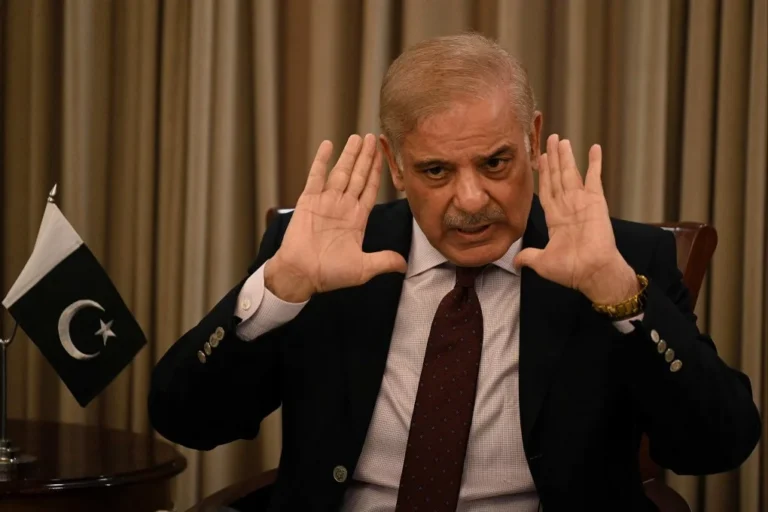
ISLAMABAD: Prime Minister Shehbaz Sharif on Thursday called for concerted national efforts to transform Pakistan into an economic power, urging the same level of dedication and resilience that enabled the country to achieve its status as a responsible nuclear state.

The prime minister, in his televised opening remarks at the meeting of the federal cabinet, highlighted that the government’s economic team had made collective efforts over the past two years, which were coming to fruition, ensuring stability and preventing the need for rationing.

“This is a long and difficult journey. However, nations that commit to facing and overcoming their challenges are the ones that ultimately meet with success,” he remarked.

Referring to the US-Iran conflict, he said that while a temporary ceasefire was currently in place, the war had created significant hurdles for regional economies, including Pakistan.

About the celebrations of the first anniversary of Marka-e-Haq on May 10, he said that a year ago, Allah had blessed the nation with grandeur due to the professional excellence of the armed forces and national unity.

“The forces, with utmost valor, taught the enemy a lesson they would never forget,” the prime minister remarked.

Looking ahead to the upcoming Youm-e-Takbeer on May 28, the prime minister emphasized that the nation remembered that day as the moment Pakistan achieved an impregnable defense in 1998.

He underscored that Pakistan’s nuclear assets were strictly for deterrence and defense, not offense that has earned the country global recognition as a responsible nuclear state.

Prime Minister Shehbaz paid rich tribute to the “heroes” of Pakistan’s nuclear journey, specifically crediting Zulfikar Ali Bhutto for initiating the program and Nawaz Sharif for its successful conclusion.

He also lauded the vital roles played by scientists, politicians, and national institutions in reaching this milestone.

Referring to the martyrdom of Liaquat, a resident of Attock, who was martyred after he confronted a suicide bomber, the prime minister said the government had posthumously conferred Sitara-e-Shujaat to recognise his sacrifice.

The sacrifices rendered by Pakistan in the fight against terrorism are unmatched, he remarked.

Wheat Trade

Prime Minister Shehbaz Sharif on Thursday, taking notice of the issues being faced in the buying and selling of wheat across the country, constituted a cabinet committee to address the matter.

The meeting of the federal cabinet was held here under the chairmanship of Prime Minister Shehbaz Sharif.

During the meeting, the recommendations of the cabinet committee formed to review the Hajj Policy 2027-2030 by the Ministry of Religious Affairs and Interfaith Harmony were also presented before the cabinet.

Approving the committee’s recommendations, the federal cabinet directed that an accountability mechanism be developed for the Ministry of Religious Affairs and private Hajj operators to ensure the protection of pilgrims’ rights.

On the recommendation of the Ministry of Interior and Narcotics Control, the federal cabinet approved handing over the construction and development of a low-cost housing project in Farash Town, Islamabad, for residents of Islamabad’s informal settlements (Kachi Abadis) to the Capital Development Authority (CDA).

On the recommendation of the Revenue Division, the federal cabinet approved conducting departmental promotion examinations for Pakistan Customs officers, including Inspectors Customs, Intelligence Officers, Preventive Officers, Appraising Officers, and Valuation Officers, through the Federal Public Service Commission (FPSC).

The federal cabinet also approved the decisions taken during the meeting of the Cabinet Committee on Legislative Cases held on April 29, 2026. However, the cabinet directed that the opinion of the Economic Coordination Committee (ECC) be sought regarding amendments to the Tobacco Marketing Control Rules, 2016.

Waste to energy policy

Prime Minister Shehbaz Sharif on Thursday approved the formation of a task force on waste-to-energy production.

This task force will review the existing waste-to-energy framework and work on developing a new national policy in this regard.

The task force will formulate a national waste-to-energy policy aimed at promoting waste-to-energy projects in Pakistan through private sector encouragement, a clear strategy, institutional mechanisms, and a comprehensive roadmap, a statement issued by the PM House said.

Federal Minister for Power Division Sardar Awais Leghari will serve as the convener of the task force.

Federal Minister for Climate Change Musadik Malik, Minister of State for Finance and Railways Bilal Azhar Kayani, the Federal Secretaries for Climate Change and Inter-Provincial Coordination, as well as the secretaries of Local Government, Climate Change, and Energy departments from all four provinces, Gilgit-Baltistan, and Azad Jammu & Kashmir, will also be members of the task force.

Relevant representatives from the private sector have also been included as members of the task force.

The task force will review Pakistan’s current waste-to-energy framework, examine international best practices, and identify legal, regulatory, financial, and operational barriers in this sector.

Its Terms of Reference (TORs) also include proposing measures related to legislation and regulatory reforms for waste-to-energy initiatives.

The task force will further recommend steps to facilitate investment, coordination, and implementation of waste-to-energy projects in Pakistan.

Trump, Xi chart new course for bilateral ties in Beijing Summit

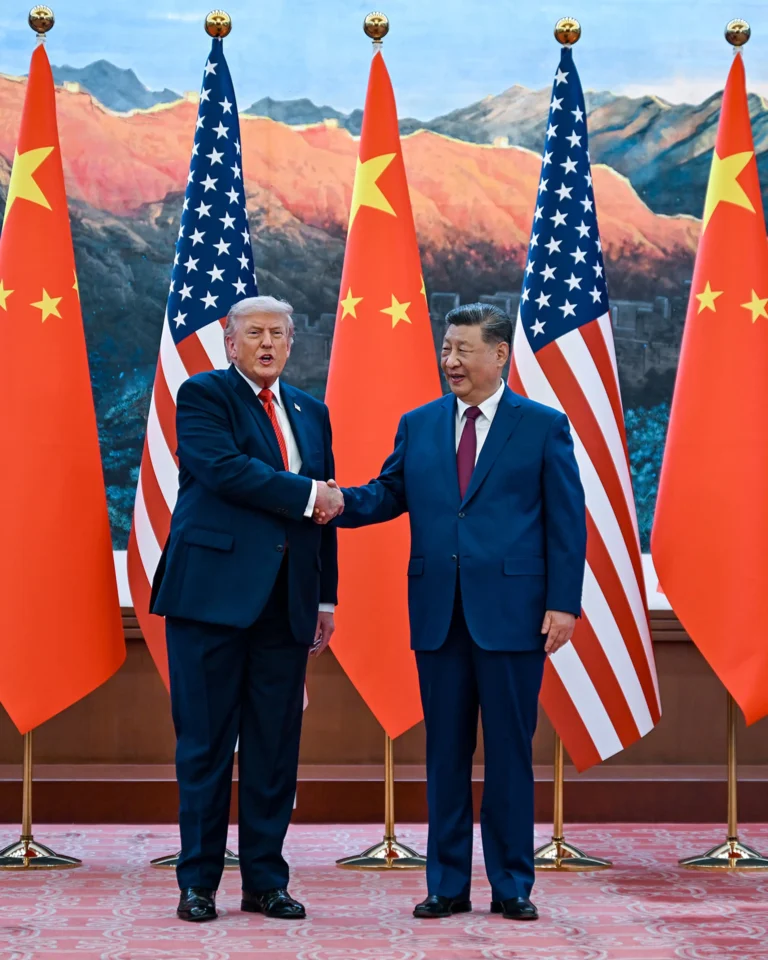
BEIJING: In a meeting closely watched by the world, Chinese President Xi Jinping and U.S. President Donald Trump on Thursday agreed on a new vision of building a constructive bilateral relationship of strategic stability.

The new vision will provide strategic guidance for China-U.S. relations over the next three years and beyond, Xi said when holding talks in Beijing with Trump, who is on a three-day state visit to China — the first such visit in the past nine years.

Xi defined the nature of “constructive strategic stability” as a positive stability with cooperation as the mainstay, a sound stability with moderate competition, a constant stability with manageable differences, and an enduring stability with promises of peace.

Trump said he will work with Xi to strengthen communication and cooperation, properly handle differences, and make bilateral relations better than ever before.

Both leaders agreed that China-U.S. relations are the most important bilateral relationship in the world today.

“Looking back at the course of China-U.S. relations, whether or not we could have mutual respect, peaceful coexistence, and win-win cooperation is the key to whether the relationship can advance steadily,” Xi said at Thursday’s welcome banquet for Trump.

“We must make it work, and never mess it up,” Xi said, adding that both China and the United States stand to gain from cooperation and lose from confrontation.

NEW IMPETUS FOR COOPERATION

During the two leaders’ formal talks, Xi spoke of the latest round of trade talks between Chinese and U.S. officials, lauding the “generally balanced and positive outcomes.”

“This is good news for the people of the two countries and the world,” he said, calling on the two sides to sustain the good momentum that they have worked hard to create.

The Ministry of Commerce said on Thursday that China is ready to work with the United States to continuously expand the list of cooperation and shorten the list of problems.

In the current trip, Trump is accompanied by top U.S. executives, including Apple’s Tim Cook, Nvidia’s Jensen Huang and Tesla’s Elon Musk, whom he called outstanding representatives from the U.S. business community.

“They all respect and value China. I strongly encourage them to expand cooperation with China,” Trump said. The business leaders said that the successful meeting between Xi and Trump has injected new impetus into bilateral economic and trade cooperation and provided certainty for the world economy.

“China will only open its door wider,” Xi said. American companies are deeply involved in China’s reform and opening up, and the U.S. side is welcome to enhance mutually beneficial cooperation with China, he added.

VIBES OF FRIENDSHIP AND RESPECT

Prior to Thursday’s talks, Xi hosted a welcome ceremony for Trump outside the Great Hall of the People in central Beijing, featuring military band performances, a 21-gun salute and a march-past of the guard of honor.

Trump said that it was a great honor to visit China, hailing the very good relationship between the two countries.

Trump said he and Xi have enjoyed friendly communication and worked out many important issues, calling Xi “a great leader” and China “a great country,” and expressing tremendous respect for Xi and the Chinese people.

After the talks, the two leaders visited the Temple of Heaven. Impressed by the more than 600-year-old UNESCO World Heritage Site, Trump said that as great nations with wise and great peoples, the United States and China should deepen mutual understanding and strengthen friendship between their peoples.

Addressing the welcome banquet, Xi recalled the China-U.S. Ping-Pong Diplomacy 55 years ago. Active engagement between the two sides has continued to serve as an important driving force behind the development of bilateral relations. “President Trump and I have had multiple meetings and phone calls and kept China-U.S. relations generally stable,” Xi said.

Trump thanked Xi for the gracious reception and hailed the positive and constructive conversations between the two sides. “Today is a fantastic day,” he said.

BRIGHT FUTURE FOR BILATERAL RELATIONS AND HUMANITY

During their talks, the two presidents also exchanged views on major international and regional issues, such as the Middle East situation, the Ukraine crisis, and the Korean Peninsula situation.

Chinese geopolitical experts say that if the proposed constructive relationship of strategic stability can be established and well-preserved, China and the United States will surely contribute a lot to global peace and development for quite a long period to come.

Now it’s up to the United States to work with China in the same direction, given Beijing’s consistent and clear policy on China-U.S. relations, said Diao Daming, vice dean of the National Academy of Development and Strategy of Renmin University of China.

Xi has stressed that the building of such a relationship should not be a mere slogan, but concrete action taken by both sides toward the same goal.

Placing emphasis on the Taiwan question, Xi described it as the most important issue in China-U.S. relations.

If it is handled properly, the bilateral relationship will enjoy overall stability. Otherwise, the two countries will have clashes and even conflicts, putting the entire relationship in great jeopardy, Xi told his American counterpart.

Jail torture cost Imran vision in one eye, claims Salman Akram Raja

ISLAMABAD: Pakistan Tehreek-e-Insaf (PTI) Secretary General Salman Akram Raja on Wednesday said that jailed former prime minister Imran Khan was facing serious health risks in custody, claiming that, due to alleged torture in jail, he has “lost vision” in one of his eyes.

In February, it was revealed by a report prepared by Barrister Salman Safdar on the Supreme Court’s direction that Imran had informed officials that his right eye was functioning at only 15% capacity. Safdar submitted the report to a two-member bench. As a result, the SC ordered that Imran be granted access to his personal physicians in Adiala Jail. Later, a medical board examining Imran reported an improvement in his eyesight and did not recommend shifting him to a hospital.

Speaking to reporters outside the SC today, Raja stated that Imran had been in jail for nearly 1,000 days and that all judicial avenues appeared to be closed for the party. He further added that the party had exhausted all legal options, and now, taking to the streets was the only option left.

He said cases against Imran and Bushra Bibi, including the Toshakhana case, were fabricated and based on statements from government witnesses.

Raja said every prisoner was entitled to constitutional rights, but meetings with Imran and the signing of legal documents were being restricted despite court orders permitting such meetings.

He said Imran and Bushra Bibi were facing serious “health risks in custody” and added that Imran’s sisters were also being denied meetings with him despite the seriousness of his condition.

PTI secretary general further said that petitions filed before the SC were not being heard, and added that restrictions currently imposed on prisoners were unprecedented.

Raja said Pakistan required political and economic stability, describing Khyber-Pakhtunkhwa (K-P) as “bathed in blood” and stating that every province had been pushed into crisis.

Senior lawyer Hamid Khan said petitions were being filed in the SC seeking meetings and prison facilities for Imran and Bushra Bibi, adding that an appeal had remained pending for a year before being dismissed by the Islamabad High Court (IHC) and questioned how legal documents could be signed if lawyers were denied access to their clients.

In late January, Imran was first taken to the hospital for a minor eye procedure. Five days later, Information Minister Attaullah Tarar said that doctors at PIMS had conducted an examination of his eyes and, after obtaining his written consent, carried out a minor medical procedure that lasted around 20 minutes.

Amid controversy surrounding the eye treatment, PIMS confirmed that Imran was administered an anti-VEGF intra-vitreal injection to treat right central retinal vein occlusion.

In March, another medical check-up was conducted at Adiala, after which PIMS stated that Imran had shown significant improvement in his vision following his second dose of an intravitreal anti-VEGF injection. The third dose was subsequently administered on March 23.

Imran’s wife, Bushra Bibi, also underwent a medical examination at Adiala in March after complaining of pain in her right eye. She was reportedly examined by Dr Muhammad Arif Khan, head of the ophthalmology department at PIMS. The medical report stated that she had been experiencing blurred vision and black spots in her right eye; she also reported seeing flashes in the dark and said she was suffering from headaches.

The examination diagnosed Bushra Bibi with posterior vitreous detachment (PVD) in her right eye. The report also identified myopia and astigmatism. After the diagnosis, Bushra Bibi was prescribed eye drops and medication, along with the use of glasses. She was reportedly recommended a follow-up medical check-up after four weeks.

The former first lady then underwent eye surgery on the evening of April 16.

Imran and Bushra Bibi remain incarcerated in Rawalpindi’s Adiala Jail. They were sentenced on December 20, 2025, to 17 years in prison in the Toshakhana-II case, which pertains to allegations that the couple unlawfully retained a Bulgari jewellery set gifted by the Saudi crown prince during an official visit to Saudi Arabia.

Imran has been in custody since August 2023, serving a sentence in a £190 million corruption case. He also faces pending trials under the Anti-Terrorism Act in connection with protests on May 9, 2023.

Pakistan gets $1.3b IMF tranche: SBP

KARACHI: The State Bank of Pakistan (SBP) said on Wednesday it had received about $1.3 billion from the International Monetary Fund (IMF) under its Extended Fund Facility (EFF) and Resilience and Sustainability Facility (RSF) programmes, in a post on X.

The post read that, “The IMF Executive Board completed third review under the Extended Fund Facility (EFF) in its meeting held on May 8, 2026, and approved the disbursement of SDR 760 million for Pakistan”.

“Furthermore, the IMF Executive Board has also approved the disbursement of the second tranche of SDR 154 million under the RSF,” it added.

“Accordingly, SBP has received SDR 914 million (equivalent to about US$ 1.3 billion) under the EFF and RSF in value May 12, 2026, from the IMF,” SBP added in a statement.

The central bank said that “the amount would be reflected in SBP’s foreign exchange reserves for the week ending on May 15, 2026”.

With the fresh approval, Pakistan has so far received a $4.5 billion loan from the IMF against two separate debt packages totaling $8.4 billion. Pakistan has access to another $1 billion under the Extended Fund Facility and $200 million under the Resilience and Sustainability Facility.

However, the government had to stick to the old fiscal and monetary targets and gave a commitment to stay on the path of stabilisation despite strong voices against these policies that have caused higher unemployment, higher poverty, and higher income inequality.

The government had to stick to the old fiscal and monetary targets and gave a commitment to stay on the path of stabilisation despite strong voices against these policies that have caused higher unemployment, higher poverty, and higher income inequality.

The IMF executive board also approved a modification of one end-June performance criterion, specifically the floor on net international reserves of the SBP. It also set new performance criteria for end-December 2026 and end-June 2027 for the central bank. The $1 billion debt would be used for balance of payment support, while the $200 million is given in budget support, according to government officials.

The IMF approval came after the government showed better performance against the fiscal and monetary targets, but there were divergent views about the path during the second half of this fiscal year.

The IMF mission had reviewed the performance of Pakistan’s economy for the July-December 2025 period, covering the third review of the $7 billion bailout package.

Pakistan met all end-December 2025 quantitative performance criteria and also outperformed against the floor on net international reserves and comfortably met the general government’s primary balance target.

The government also met six of eight end-of-December 2025 indicative targets, but the Federal Board of Revenue remained the weakest link. It missed the targets on net tax revenues collected by the FBR and income tax revenues from retailers, which fell short of IMF targets.

Khawaja Asif warns Kabul of Delhi-like response

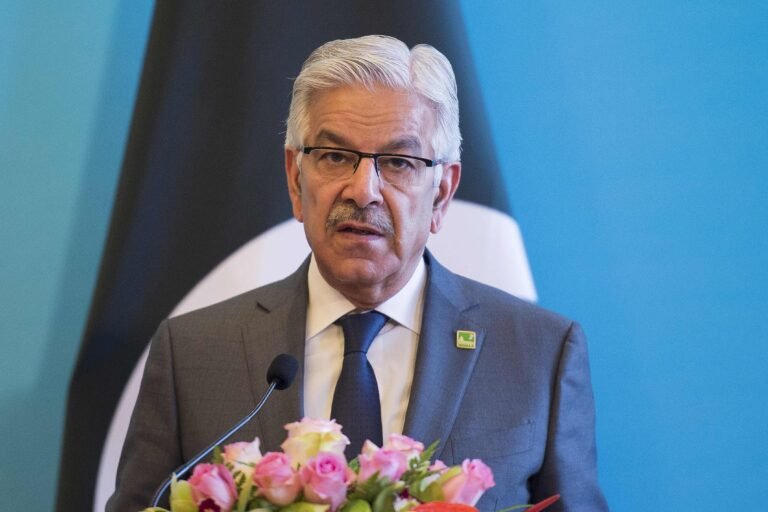
ISLAMABAD: Defence Minister Khawaja Asif on Wednesday warned Afghanistan that if Kabul failed to stop harbouring terrorists, Pakistan would respond in the same way it had against India last year.

Addressing the National Assembly, Asif said: “If they are not ready, then what we did with Delhi, we will do the same with Kabul.” The minister asserted that Afghanistan had effectively become an instrument of Indian policy.

“At this time, Afghanistan has become India’s proxy,” he said, adding: “Kabul is fighting a Hindutva war against us,” and that “there is no difference between Delhi and Kabul at this time,” although Pakistan sincerely wished otherwise.

Asif said Pakistan had repeatedly attempted to engage Afghanistan through diplomatic channels, including via Turkiye, Saudi Arabia, and Qatar, but those efforts had failed to yield results. “In negotiations in Qatar, Afghanistan agreed to everything but later refused to give guarantees,” he said, adding that Kabul was willing to agree verbally but not in writing.

He said Pakistan’s primary demand was a written commitment from Kabul ensuring that Afghan territory would not be used to launch attacks against Pakistan and that terrorists operating there would be expelled.

“The Kabul government is not willing to guarantee that its territory will not be used for attacks against Pakistan,” he said. “Afghanistan is not willing to expel terrorists from its territory. Afghanistan is not willing to stop terrorists either.”

The minister added that Pakistan remained open to talks if Kabul provided written assurances against terrorism.

Referring to a recent attack in Bannu, Asif said many people had been martyred and that the Pakistan Army continued to make sacrifices. “We are being forced into war because of this situation,” he said, adding that following India’s defeat last year, New Delhi was now acting through Afghanistan.

On the diplomatic front, Asif said backchannel efforts through a third country were still ongoing, though he declined to provide further details. “Talks are still ongoing through a third country, but I cannot say much at this stage,” he said.

Pakistan remains embroiled in ongoing clashes with Afghanistan since February 2026. Operation Ghazab Lil Haq was launched following clashes along the Pakistan-Afghanistan border, after Afghan Taliban forces fired on multiple locations, prompting swift military action by Pakistan.

The neighbouring countries have been engaged in escalating hostilities along the frontier since then. The clashes intensified after Afghanistan launched a border offensive in response to Pakistani air strikes targeting terrorist positions.

A temporary pause in the operation was assumed in deference to Eidul Fitr and requests from Islamic countries such as Saudi Arabia, Qatar, and Turkiye. The pause, effective from midnight on March 18-19, 2026, ran until March 23-24, 2026.

However, the operation then resumed in March and since then, the Pakistan Army has continued to respond to unprovoked aggression by the Taliban and Fitna al-Khawarij; a term used for terrorists belonging to the banned Tehreek-e-Taliban Pakistan (TTP).

The defence minister also struck a cautiously optimistic note regarding domestic political alignment, saying the Khyber-Pakhtunkhwa government, which had previously been uncooperative, was now on board.

“Earlier, we did not have the cooperation of the K-P government; now we do,” he said. “It is good that we are all on the same page that terrorism must end.” However, he warned that if Afghanistan remained unwilling to act, the situation could escalate further. “Then it will be a war — an open war,” he said.

Responding to a query from Asad Qaiser regarding military courts, Asif said the government would soon introduce legislation on the matter. He added that the right to appeal already existed and that several accused individuals had challenged military court verdicts. “Many have challenged the jurisdiction of military courts,” he said.

Regarding the former Federally Administered Tribal Areas, the minister acknowledged that the promised resources had yet to be provided. “The share due to former FATA is not only the responsibility of the federation; provinces must also contribute,” he said. As soon as the provinces agree, he added, the region would receive its due rights.

PM Shehbaz to visit China from May 23 to 26: Dar

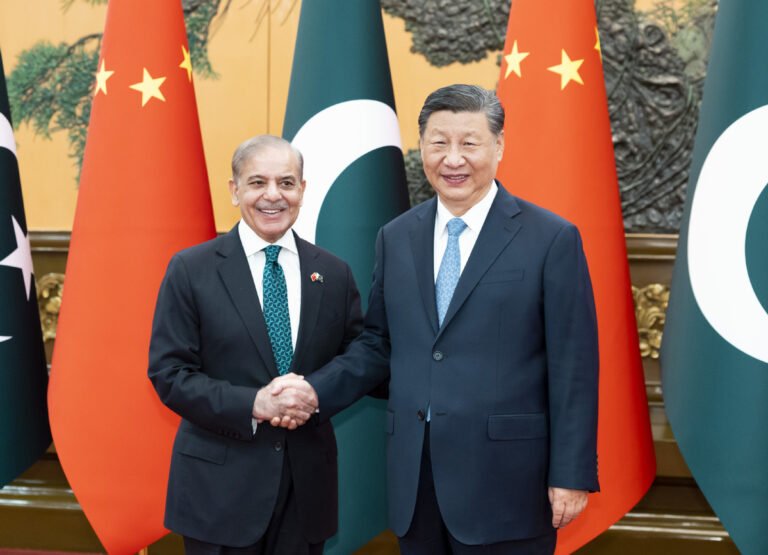
ISLAMABAD: Deputy Prime Minister and Foreign Minister Ishaq Dar announced on Wednesday that PM Shehbaz Sharif would undertake an official visit to China from May 23-26, saying the visit would include a vibrant business-to-business forum aimed at further strengthening commercial ties.

FM Dar made the announcement during the launch of the IBI Pakistan Digital Economy Headquarters in Islamabad, describing it as a powerful symbol of the enduring Pakistan-China partnership and a new chapter in digital collaboration.

He said that the launch of the IBI headquarters marked a transformative milestone in the Pakistan-China All-Weather Strategic Partnership.

Highlighting PM Shehbaz’s vision to establish Pakistan as a regional hub for digital innovation, he said that the Pakistan-China partnership was transitioning from physical infrastructure, such as the Karakoram Highway and CPEC energy projects, toward intelligent infrastructure, AI, ICT, and digital connectivity.

“Today, we are moving from roads to networks, from physical infrastructure to digital architecture. We are building a digital Silk Road today, beginning with the launch of the IBI headquarters in Islamabad,” he said.

DPM Dar told the gathering that under CPEC 2.0, cooperation was expanding beyond traditional sectors into digital transformation, smart cities, and climate resilience.

Sharing optimistic economic indicators, including a fall in inflation, rising GDP and a dive in the policy interest, he reaffirmed the government’s commitment to returning Pakistan to the roadmap of becoming a top-20 global economy.

With the world’s fifth-largest population and a rapidly growing youth demographic, the deputy prime minister emphasised that Pakistan was no longer “waiting for its moment” but had reached a stage of immense IT potential and global competitiveness.

He welcomed Beijing United Information Technology (IBI) to Pakistan, noting that its platform — serving millions of enterprises across 100 industrial sectors in China — reflected strong international confidence in Pakistan’s economy.

DPM Dar also lauded the efforts of Pakistan’s Ambassador to Beijing Khalil Hashmi for professionally facilitating B2B forums, noting that 30% of the $10 billion in MOUs signed during recent visits to China had already been translated into finalised projects.

Earlier, in his address, Ambassador Khalil Hashmi explained that if Amazon and Alibaba were the e-commerce giants of consumer goods, IBI was the e-commerce giant of industrial goods.

He said that IBI was a Fortune 500 company listed on the Shanghai Stock Exchange.

Hashmi said that the IBI launch represented a massive opportunity, especially for small and medium-sized enterprises (SMEs) in Pakistan, offering a gateway to a vast Chinese market—spanning agriculture, aquaculture, and industrial goods—and, through China, a path to the rest of the world.

He said that by deepening digital industrial cooperation and synchronising government and corporate resources, IBI had successfully translated high-level leadership directives into tangible results.

“Today, we are witnessing the convergence of two transformative forces: the enduring friendship between Pakistan and China and the unstoppable rise of the digital economy,” he added.

Information Minister Shaza Fatima Khawaja and Special Assistant to PM Haroon Akhtar Khan also addressed the launching ceremony.

Last month, President Asif Ali Zardari also completed a five-day visit to China, during which both countries signed multiple memorandums of understanding (MoUs) aimed at strengthening bilateral cooperation in desalination, agricultural technology, and the tea industry. This move is expected to boost investment, technology transfer, and economic ties between the two countries.

The first MoU was concluded between the Government of Sindh and Lucion Environmental Technology Group for collaboration on a seawater desalination project in Karachi. The project aims to enhance the city’s water supply by making seawater usable through modern technology.

The second MoU focused on cooperation in agricultural technology. Sharjeel Inam Memon signed it on behalf of the Sindh government and Chen Zhixin, chairman of Longping High-Tech Information Company, signed for the Chinese side.

The third MoU, relating to the tea sector, was signed between MESKAY & FEMTEE Trading Company, Hunan Tea Group and Jiaolong International Technology in Hainan.

Earlier in January, Pakistan and China agreed to align their development strategies and build an upgraded version of the China-Pakistan Economic Corridor, known as CPEC 2.0, during wide-ranging talks in Beijing that also covered political ties, security cooperation and regional and international issues.

As part of their economic engagement, Pakistan and China agreed to develop an upgraded CPEC, a pioneering project of the Belt and Road Initiative. The two sides said the new phase would focus on the key sectors of industry, agriculture and mining, promote the building and operation of Gwadar Port, ensure the smooth passage of the Karakoram Highway, and enhance Pakistan’s capacity for sustainable development.

They also agreed to deepen cooperation in trade and investment, information technology, science and technology, cybersecurity, technical and vocational training and education, and people-to-people and cultural exchanges. The two sides stated that the year-round opening of the Khunjerab Pass would facilitate two-way trade and further strengthen people-to-people contacts. They also welcomed third-party participation in CPEC cooperation in accordance with the modalities agreed by both countries.

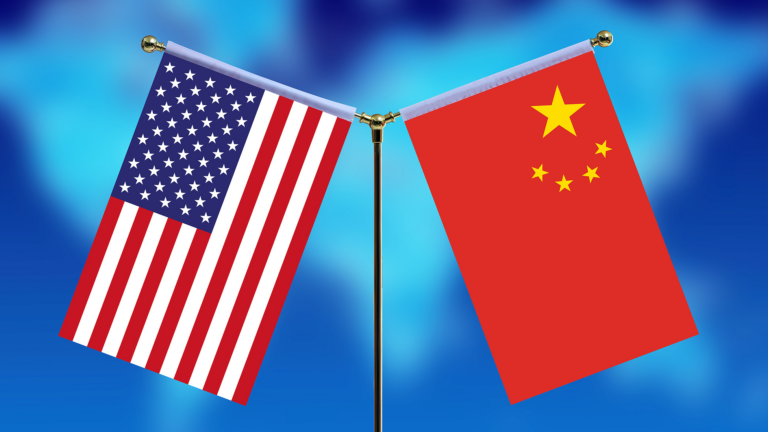
China-US trade ties remain mutually beneficial: Chinese FM

0

BEIJING: Chinese Foreign Ministry spokesperson Guo Jiakun said on Tuesday that the China-US economic and trade relations are mutually beneficial in nature.

Guo made the remarks at a regular press briefing when responding to a question concerning China-US economic and trade relations.

He said the two sides need to work together to deliver on the important common understandings between the two presidents, and provide greater stability for China-US economic and trade cooperation and the global economy. 

Xi Jinping meets Brunei crown prince in Beijing

0

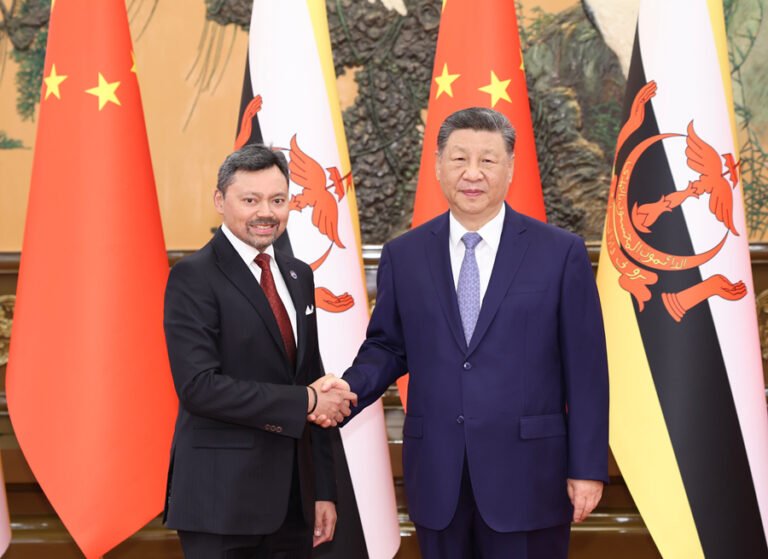
BEIJING: Chinese President Xi Jinping met with the Crown Prince and Senior Minister at the Prime Minister’s Office of Brunei Darussalam Haji Al-Muhtadee Billah in Beijing on Tuesday, calling for strengthening strategic communication and deepening practical cooperation.

China and Brunei are close and friendly neighbors, with the Maritime Silk Road binding the two countries together, Xi said, adding that the cooperation between the two countries has not only delivered tangible benefits to the two peoples but also set a good example of equal treatment and win-win cooperation between countries of different sizes.

The important consensus to build a China-Brunei community with a shared future, reached with Sultan of Brunei Haji Hassanal Bolkiah Mu’izzaddin Waddaulah last year, has opened a new chapter in bilateral relations, Xi said.

This year marks the 35th anniversary of bilateral ties, Xi said, adding that faced with a turbulent and changing international landscape, the two sides should take the building of a China-Brunei community with a shared future as the guideline, to strengthen strategic communication, deepen practical cooperation, and inject more positive energy into regional peace and stability.

This year marks the beginning of China’s 15th Five-Year Plan period (2026-2030), while Brunei is forging ahead toward its Wawasan 2035 (Brunei Vision 2035), Xi said. He called on both sides to take this as a point of convergence to push China-Brunei cooperation to a new height.

China and Brunei should be strategic partners with a high-level mutual trust and continue to firmly support each other, Xi said, stressing that both sides should be development partners pursuing mutual benefit and win-win outcomes, advance major flagship cooperation projects, and expand cooperation in emerging fields such as artificial intelligence (AI) and the digital economy.

China and Brunei should be partners bonded by civilization, jointly implement the Global Civilization Initiative, and foster closer people-to-people and cultural exchanges, Xi said.

Xi also called on both sides to be partners in global governance and work with ASEAN countries to build a closer China-ASEAN community with a shared future, turning the region into a benchmark of peace, stability, development and prosperity amidst profound changes unseen in a century.

Billah conveyed the Sultan of Brunei’s sincere greetings to President Xi. He said Brunei firmly abides by the one-China policy.

China has played a key role in promoting world peace and stability, upholding multilateralism and the international order, the crown prince said, adding that Brunei highly appreciates the vision of building a community with a shared future for humanity and the Global Governance Initiative, both proposed by Xi.

Brunei looks forward to working closely with China to deepen ASEAN-China cooperation and safeguard regional prosperity and stability, Billah said.

Kuwait eyes new opportunities in Pakistan’s strategic oil storage sector

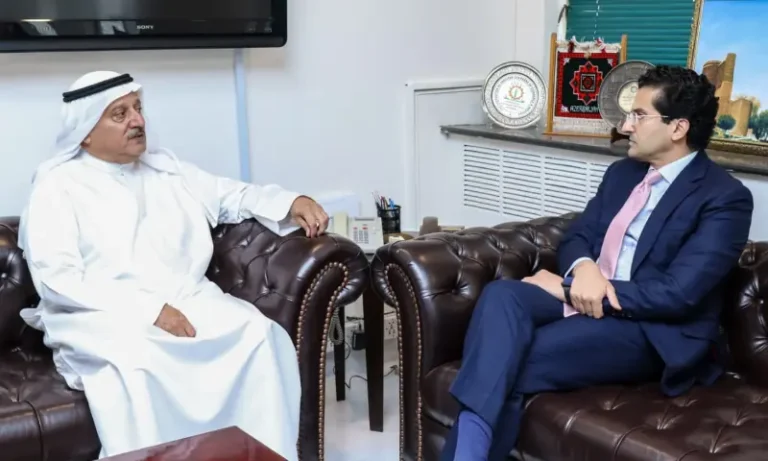
ISLAMABAD: Kuwait agreed on Tuesday to “explore new opportunities” around building strategic storage in Pakistan’s petroleum sector, a statement by the Petroleum Division said, adding that the initiative could result in mutual benefit for both sides.

The assurance came during a meeting between petroleum Minister Ali Pervaiz Malik and Kuwait’s ambassador to Pakistan, Nassar Abdulrahman Jasser Almutairi, in Islamabad.

“Both sides discussed prospects for enhanced cooperation in the petroleum and energy sectors, especially refining, and agreed to explore new opportunities around building strategic storages in Pakistan that could bring mutual benefit to Pakistan and Kuwait”, the statement said.

It added that the meeting focused on regional developments and energy cooperation.

The two sides also agreed to further strengthen bilateral relations and expand collaboration in areas of common interest, it said.

For his part, the petroleum minister expressed gratitude to Kuwait’s government for its “timely facilitation and support in ensuring the safe dispatch of vessel Khairpur, which reached Pakistan carrying diesel supplies during a challenging period”.

He highlighted that the vessel transported approximately 45,000 tonnes of diesel and 10,000 tonnes of jet fuel from Kuwait to Pakistan under special approvals, following disruptions caused by the closure of the Strait of Hormuz.

He said with concerted efforts of the two governments, the Khairpur vessel safely completed its journey and reached Pakistan. This would ensure the continuity of fuel supply and support the fulfilment of national energy needs, the statement quoted him as saying.

The Strait of Hormuz used to be the passageway for one-fifth of the world’s oil and gas supply before US-Israeli strikes on Iran in late February set off a conflict that has widened into a regional crisis. Meanwhile, the disruption of traffic in Hormuz has resulted in a global fuel crunch, affecting countries across the world, including Pakistan.

For its part, Islamabad has been leading the efforts for de-escalation between the US and Iran.

During his meeting with the Kuwaiti envoy, Minister Malik said Pakistan remained committed to peace and stability, the Petroleum Division’s statement said, adding that he highlighted that repercussions of the ongoing conflict were being felt not only across the region but beyond it as well.

Ambassador Almutairi appreciated Pakistan’s peace efforts and stated that Kuwait “encourages its brothers in Pakistan to continue their constructive role for peace in the region”, the statement said.

It further quoted him as saying that Pakistan had proved itself through its “responsible stance” and its status had “elevated” in the eyes of the international community.

Pakistan imports more than 60 per cent of its diesel from Kuwait under a long-term contract between state-run oil giants of the two countries — Kuwait Petroleum Corporation and Pakistan State Oil.

Kuwait also extended an oil credit facility to Pakistan for an additional two years in April.

In March, Kuwait assured Pakistan of full facilitation in the supply of diesel and jet fuel, which has been stalled due to the closure of the Strait of Hormuz.