
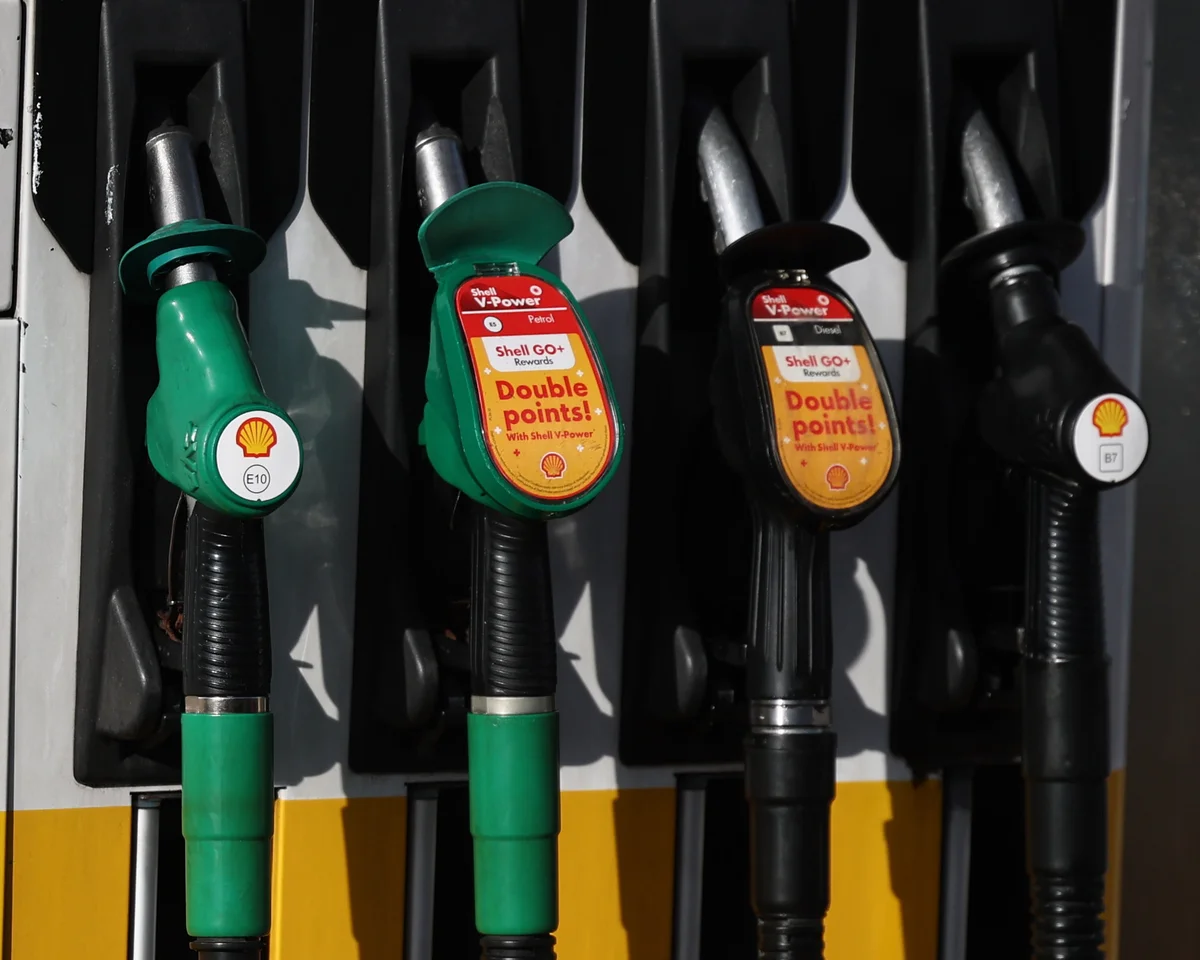
ISLAMABAD: The government on Thursday raised petrol and diesel prices while simultaneously extending fuel subsidies for motorcyclists and the transport sector, seeking to cushion the impact of rising global oil costs on vulnerable consumers.
With the concurrence of the International Monetary Fund (IMF), the Shehbaz Sharif government has increased the prices of petrol and diesel by Rs6.51 and Rs19.39 per litre, respectively, with immediate effect for the week ending May 8.
During a virtual meeting on Thursday, the IMF was informed that Pakistan was well placed to achieve its petroleum levy target of Rs1.468 trillion, as collections over 10 months had already exceeded the target for 11 months.
The two sides agreed to keep the primary balance target sacrosanct and achieve it at all costs, even if further cuts in the Public Sector Development Programme (PSDP) were required, informed sources said.
Payments to independent power producers would continue in line with agreed schedules to avoid any issues ahead of the IMF executive board meeting on May 8, which is expected to approve disbursement of more than $1.2 billion under two ongoing programmes.
Unlike announcements made by the prime minister during price reductions, the latest increase was discreetly issued by the Petroleum Division at midnight.
The ex-depot price of high-speed diesel (HSD) was fixed at Rs399.58 per litre, up from Rs380.19, reflecting an increase of Rs19.39 or about five per cent.
Diesel had earlier declined from a peak of Rs520.35 on April 10 after a removal of the petroleum levy, but has since been rising again. HSD is considered highly inflationary mainly due to its use in freight transportation.
Similarly, the ex-depot price of petrol was set at Rs399.86 per litre, up from Rs393.35, showing an increase of Rs6.51 or 1.65pc. Petrol and HSD remain major revenue generators, with combined monthly sales of 700,000 to 800,000 tonnes compared to about 10,000 tonnes of kerosene demand.
Although the ex-depot prices remain marginally below Rs400 per litre, the actual retail prices at petrol pumps, after including dealer margins and other charges, have effectively crossed the Rs400 mark.
Fuel subsidy
Separately, PM Shehbaz decided to extend the fuel subsidy for motorcyclists as well as public and goods transporters by one month.
According to a statement issued by the Prime Minister’s Office (PMO), the decision was aimed at continuing relief for economically vulnerable segments during the ongoing crisis. The prime minister also directed transporters not to increase fares and directed authorities to ensure effective monitoring of the relief measures.
“The people will not be left alone under any circumstances,” the premier said, expressing hope that the regional situation would improve soon, allowing fuel prices to stabilise.
The subsidies were part of targeted relief measures announced earlier this month for bikers, farmers and transporters to offset the impact of rising global oil prices amid the US-Israel war on Iran. These included a subsidy of Rs100 per litre for two-wheeler users, capped at 20 litres per month for three months.
Additionally, trucks carrying 80-85pc of food items would receive Rs70,000 per month, large transport vehicles Rs80,000 per month, and inter-city public service vehicles Rs100,000 per month to help maintain stable fares.
The provinces have taken the lead in administering subsidised fuel quotas, pooling around Rs200bn for three months based on their National Finance Commission (NFC) shares — about Rs100bn from Punjab, Rs51-52bn from Sindh, Rs15bn from Khyber Pakhtunkhwa, and Rs8-9bn from Balochistan.
Earlier, in a meeting with a delegation from the Partnership for a Lead-Free Future and Unicef, the prime minister reiterated the government’s commitment to safeguarding children’s health, prioritising polio eradication, and addressing risks of lead exposure through coordinated efforts.
He said the government was taking priority measures to protect the future of children and remained fully committed to eliminating polio.

